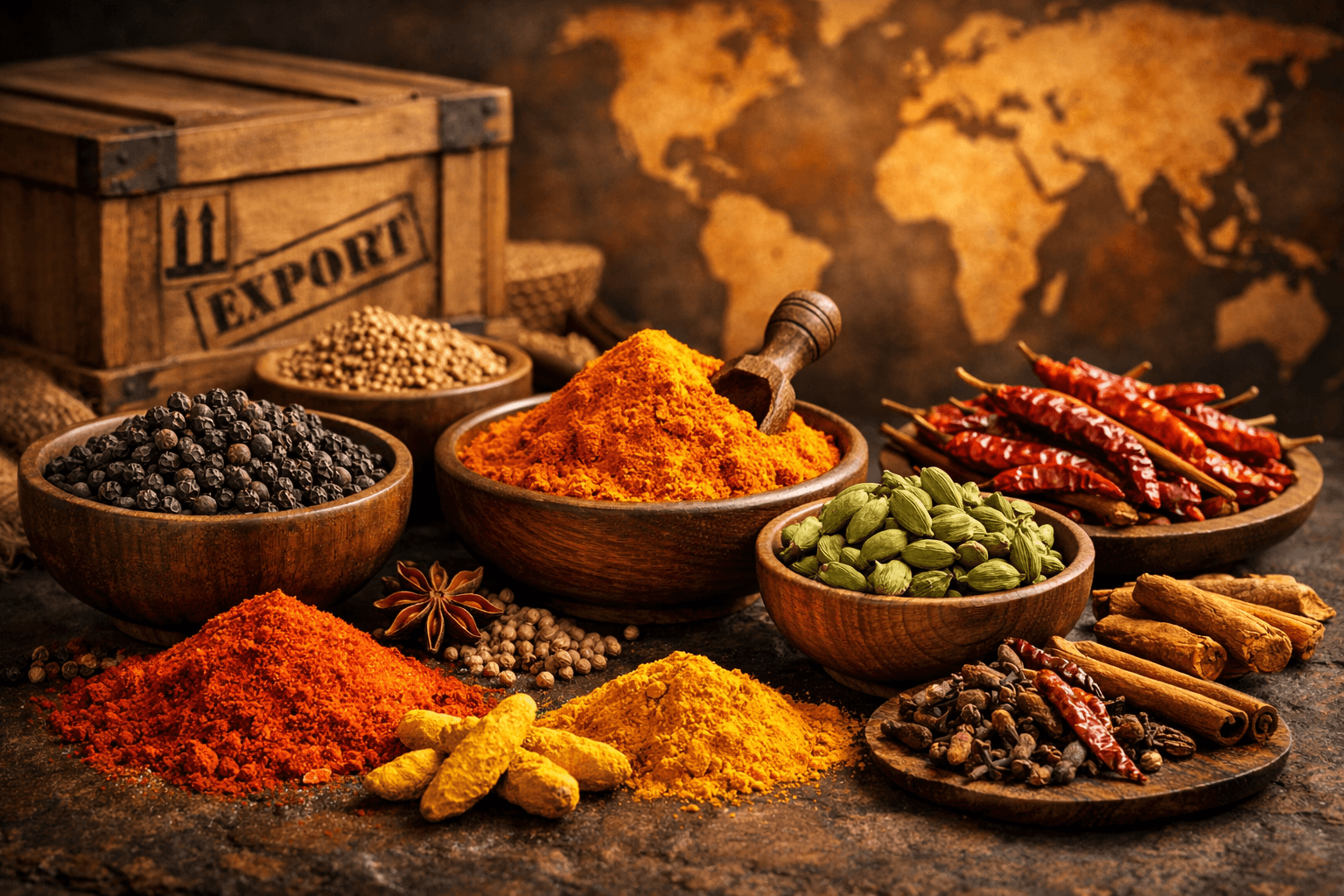
Looking to export spices from India? This comprehensive guide covers sourcing spices, export procedures, licenses, certifications, logistics, and finding international buyers to help you start and scale your spice export business.
How to Export Spices from India
India has long been regarded as the world's spice capital, known for its diverse, rich, and aromatic spices that add flavor to cuisines globally. The spice export business from India has witnessed a remarkable growth trajectory over the past few decades, thanks to the increasing demand for Indian spices worldwide. If you are looking to venture into the spice export industry, understanding the processes involved is crucial for success.
In this article, we will explore how to export spices from India, covering everything from the initial steps to the logistics and documentation required. Whether you are new to the industry or looking to expand your business, this guide will provide the essential insights you need.
Understanding the Spice Export Market from India
Before diving into the intricacies of the spice export process from India, it is important to grasp the scope of the global spice market. India accounts for around 40% of the world's spice production and is a dominant player in the global spice export market. The country exports a wide variety of spices, including black pepper, cardamom, turmeric, cumin, coriander, and more.
Indian spices are known for their high quality, rich flavor, and medicinal properties. This has contributed to a steady increase in demand, particularly in markets such as the United States, Europe, the Middle East, and Southeast Asia. Understanding the key markets for spices export from India can help you target the right customers and build a successful spice export business in India.
Key Spices in Demand for Export
Some of the most sought-after spices for export from India include:
- 1Black Pepper – Often called the "king of spices," black pepper is one of India's most significant spice exports.
- 2Cardamom – Known as the "queen of spices," cardamom is highly valued for its aromatic and medicinal qualities.
- 3Turmeric – Widely used for its color and health benefits, turmeric is a popular export spice.
- 4Cumin and Coriander – These spices are in demand due to their widespread use in culinary applications.
- 5Chili Pepper – With the growing trend of spicy cuisines, India is a major exporter of chili peppers.
Steps to Export Spices from India
If you are looking to start a spice export business in India, it’s essential to follow a systematic approach. Here is a step-by-step guide on how to export spices from India:
1. Understand the Spice Export Procedure in India
The first step to exporting spices internationally is to familiarize yourself with the spice export procedure in India. This involves understanding the key regulations, permits, and certifications required for spice exports.
Licenses and Certifications:
The following table outlines the essential documents and certifications needed for exporting spices from India:
| Document/Certification | Purpose | Issued By | Description |
|---|---|---|---|
| Importer Exporter Code (IEC) | To legally engage in international trade | Directorate General of Foreign Trade (DGFT) | Mandatory for all businesses engaged in imports and exports in India |
| FSSAI Registration | Ensures food safety and compliance with Indian food regulations | Food Safety and Standards Authority of India (FSSAI) | Certifies that the spices are safe for consumption and meet health standards |
| Spice Board Certification | Validates the quality of spices for export | Indian Spice Board | Provides certification that spices meet Indian quality standards for export |
| Phytosanitary Certificate | Ensures the spices are free from pests and diseases | Plant Quarantine Department | Required for exports to ensure that spices do not carry harmful pests |
| Certificate of Origin | Verifies the origin of the spices and complies with trade agreements | Chamber of Commerce or Export Authority | Required for customs clearance and to confirm that the spices are sourced from India |
| Packing List and Bill of Lading | Details the contents of the shipment and shipping terms | Exporter / Freight Forwarder | Essential for customs clearance and shipment tracking |
| Organic Certification | Certifies that the spices are produced without synthetic pesticides | Certification Agencies (e.g., Ecocert) | Required for organic spice exports to ensure compliance with international organic standards |
2. Source Quality Spices
One of the most critical aspects of a successful spice export business in India is ensuring the quality of the spices you export. You can either source spices directly from farmers or purchase them from wholesale markets or spice processing units. It's important to build relationships with reliable suppliers who follow quality standards to meet the expectations of international buyers.
For instance, Bayharbor Exports has earned a reputation for consistently sourcing premium quality spices from across India, ensuring they meet international standards. Partnering with a trusted exporter like Bayharbor Exports can help you maintain the high-quality benchmarks that international markets demand.
3. Packaging and Labeling of Spices
The packaging of spices plays a significant role in preserving their freshness and appeal in international markets. Depending on the nature of the spice, packaging can range from small sachets to bulk containers. It’s important to use food-grade packaging materials to ensure that the spices are protected from moisture, air, and contamination.
Additionally, correct labeling is crucial. The labels must include details such as the spice name, origin, expiry date, net weight, and any certifications like organic or Fair Trade. Compliance with international labeling standards is essential for smooth export transactions.
4. Shipping and Logistics
Once your spices are ready for export, the next step is to arrange for shipping and logistics. You will need to select a reliable freight forwarder or shipping company that specializes in international spice shipments. Logistics include handling the export customs clearance, packaging, and transportation to the destination port.
Considerations:
● Choosing the Right Mode of Transport: Depending on the destination, shipping via air or sea may be more cost-effective and efficient.
● Customs Documentation: Ensure all necessary export documentation, such as invoices, bills of lading, packing lists, and certificates of origin, are prepared for customs clearance.
Bayharbor Exports, known for its streamlined logistics network, offers clients expert guidance on the best shipping practices, ensuring timely and safe delivery of spices to international markets.
5. Find Buyers for Your Spices
Finding reliable buyers for your spices is key to success. You can attend trade fairs, use online B2B platforms, or collaborate with spice importers in your target countries to find potential buyers. Conducting thorough research on market demand, buyer preferences, and pricing trends will help you secure long-term contracts.
6. Comply with Import Regulations in Destination Countries
Each country has its own set of regulations for importing spices. It is important to understand these rules and ensure that your spices meet all the necessary criteria for safe entry. This may include specific quality standards, pesticide residue limits, and packaging guidelines.
Familiarising yourself with these regulations can prevent delays in customs clearance and other logistical issues.
Spice Export Business India: Key Challenges and Opportunities
The spice export business in India offers immense potential, but it is not without its challenges.
Opportunities:
● Growing Global Demand: With increasing awareness of the health benefits and culinary versatility of Indian spices, the global demand for spices is on the rise.
● Variety and Innovation: India’s vast spice variety presents opportunities to cater to diverse tastes and preferences, from gourmet blends to organic spices.
Challenges:
● Quality Control: Maintaining consistent quality is essential to meet international standards and ensure repeat business.
● Competition: While India is a leading spice exporter, there is also fierce competition from other countries like Vietnam, Indonesia, and China.
Conclusion
Exporting spices from India can be a rewarding and lucrative business venture, provided you understand the nuances of the spice export process in India. From sourcing high-quality spices to navigating international shipping regulations, each step in the export procedure plays a critical role in ensuring success.
By following the steps outlined in this guide, you can establish a sustainable spice export business that taps into the growing global demand for Indian spices. Whether you are just starting or looking to expand your existing spice export operations, keeping up with market trends, maintaining quality standards, and understanding the logistics of exporting spices internationally will help you thrive in this competitive market.
Bayharbor Exports serves as an excellent example of how a dedicated approach to quality, logistics, and market knowledge can make a significant impact in the spice export business. Start your journey in the spice export business from India today, and bring the rich, aromatic flavors of Indian spices to the world!