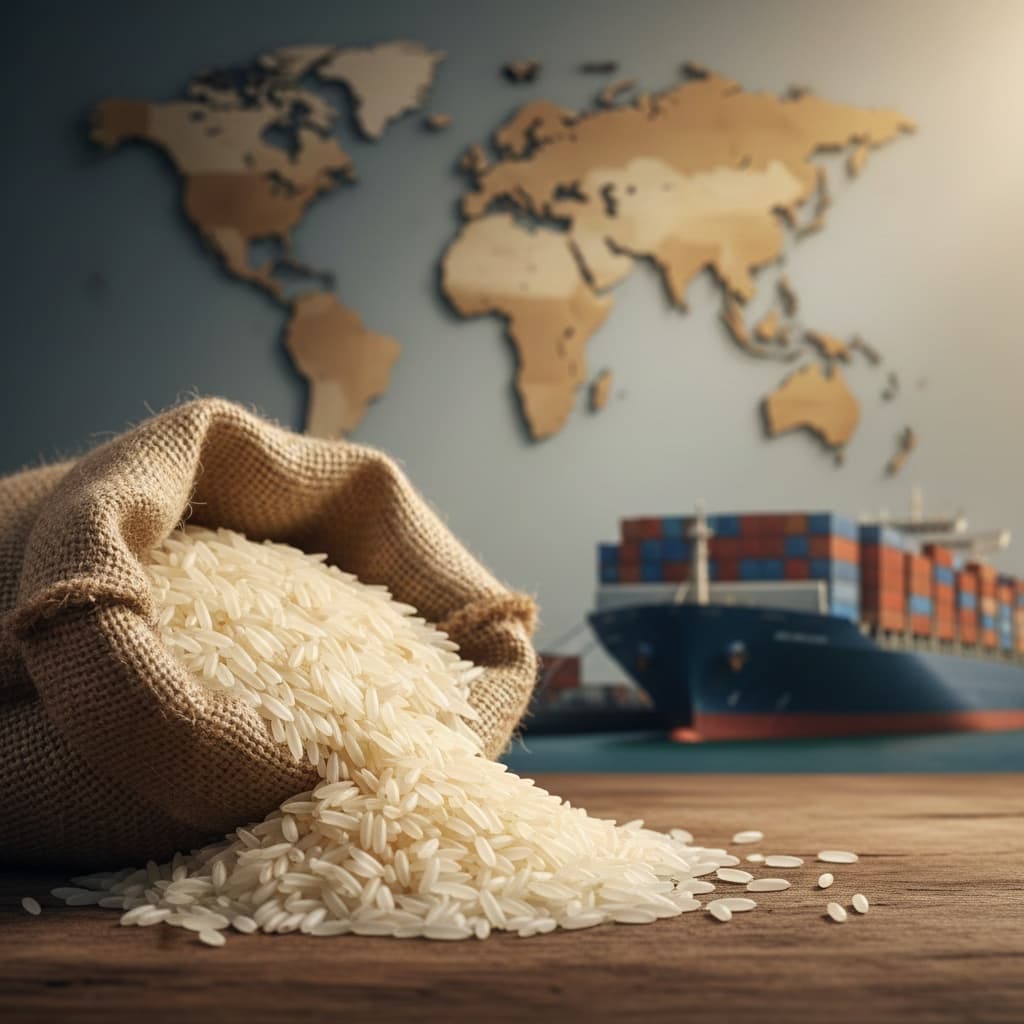
Learn the complete process of exporting basmati rice from India, including licenses, regulations, documentation, quality control, and shipping methods for successful global trade.
How to Export Basmati Rice from India
India is one of the largest exporters of basmati rice globally, renowned for its rich aroma, long grains, and superior quality. As an essential agricultural export product, basmati rice presents significant opportunities for exporters looking to enter international markets.
This comprehensive guide explains how to export basmati rice from India in a clear, step-by-step manner, covering licensing, regulations, documentation, and logistics to ensure a smooth export process.
Why Export Basmati Rice from India?
India’s unique climate, fertile soil, and traditional farming techniques make it the world’s leading producer of basmati rice. International demand continues to grow, especially in regions such as the Middle East, the United States, and Europe.
With rising global consumption of premium rice varieties, exporting basmati rice from India has become a profitable and sustainable business opportunity for exporters.
Step-by-Step Process to Export Basmati Rice from India
Below is a structured breakdown of the complete basmati rice export process.
| Step | Process | Key Actions |
|---|---|---|
| Market Research | Analyze global demand and pricing trends | Identify high-demand markets, understand buyer preferences, and study competitor pricing |
| Export Regulations | Understand legal requirements | Comply with DGFT, APEDA, and FSSAI guidelines |
| Export License | Obtain mandatory approvals | Apply for IEC and APEDA registration |
| Quality Control & Certification | Ensure product compliance | Conduct quality checks and obtain required certificates |
| Packaging & Labeling | Prepare rice for export | Use durable packaging and follow labeling norms |
| Customs & Documentation | Complete export paperwork | Prepare invoices, packing lists, and certificates |
| Shipping & Delivery | Transport goods internationally | Select sea or air freight and reliable logistics partners |
| Post-Export Support | Ensure buyer satisfaction | Track shipments and provide after-sales support |
Key Documents Required for Exporting Basmati Rice
The following documents are mandatory for smooth customs clearance and compliance:
| Document | Purpose |
|---|---|
| Commercial Invoice | Provides pricing, quantity, and shipment details |
| Packing List | Describes packaging method and dimensions |
| Certificate of Origin | Confirms Indian origin of the rice |
| Phytosanitary Certificate | Certifies the rice is pest-free |
| FSSAI Certification | Ensures food safety compliance |
| Bill of Lading | Acts as a contract between exporter and carrier |
Licensing & Regulations for Exporting Basmati Rice
Importer Exporter Code (IEC)
IEC is mandatory for all exporters and is issued by the Directorate General of Foreign Trade (DGFT).APEDA Registration
APEDA registration is required for exporters dealing with agricultural and processed food products, including basmati rice.FSSAI Certification
FSSAI certification ensures that the rice meets food safety and quality standards for international trade.Phytosanitary Certification
This certificate confirms that the rice complies with agricultural and pest-control standards of importing countries.How to Manage the Export Process Efficiently
Choose Reliable Logistics Partners
Working with experienced logistics providers ensures safe handling, timely delivery, and regulatory compliance.Understand Customs Procedures
A customs broker can help prevent delays by ensuring proper documentation and adherence to export regulations.Monitor Export Costs
Track costs related to shipping, packaging, licensing, documentation, and duties to maintain profitability.Export Opportunities for Basmati Rice from India
India exports basmati rice to several high-demand international markets:
- •Middle East: Saudi Arabia, UAE, Kuwait
- •United States: Strong demand in ethnic and premium food segments
- •European Union: UK, Germany, France
Each market has specific quality, labeling, and compliance requirements that exporters must meet.
Conclusion
Exporting basmati rice from India offers immense business potential, provided exporters understand the process, documentation, and regulatory requirements. With proper planning, quality control, and reliable logistics, exporters can successfully tap into the growing global demand.
At Bayharbor Exports, we ensure high-quality basmati rice supply while managing the complexities of international trade. Whether you are starting a new export venture or scaling an existing business, focusing on compliance, certification, and efficient logistics will help you build a profitable and sustainable export operation.