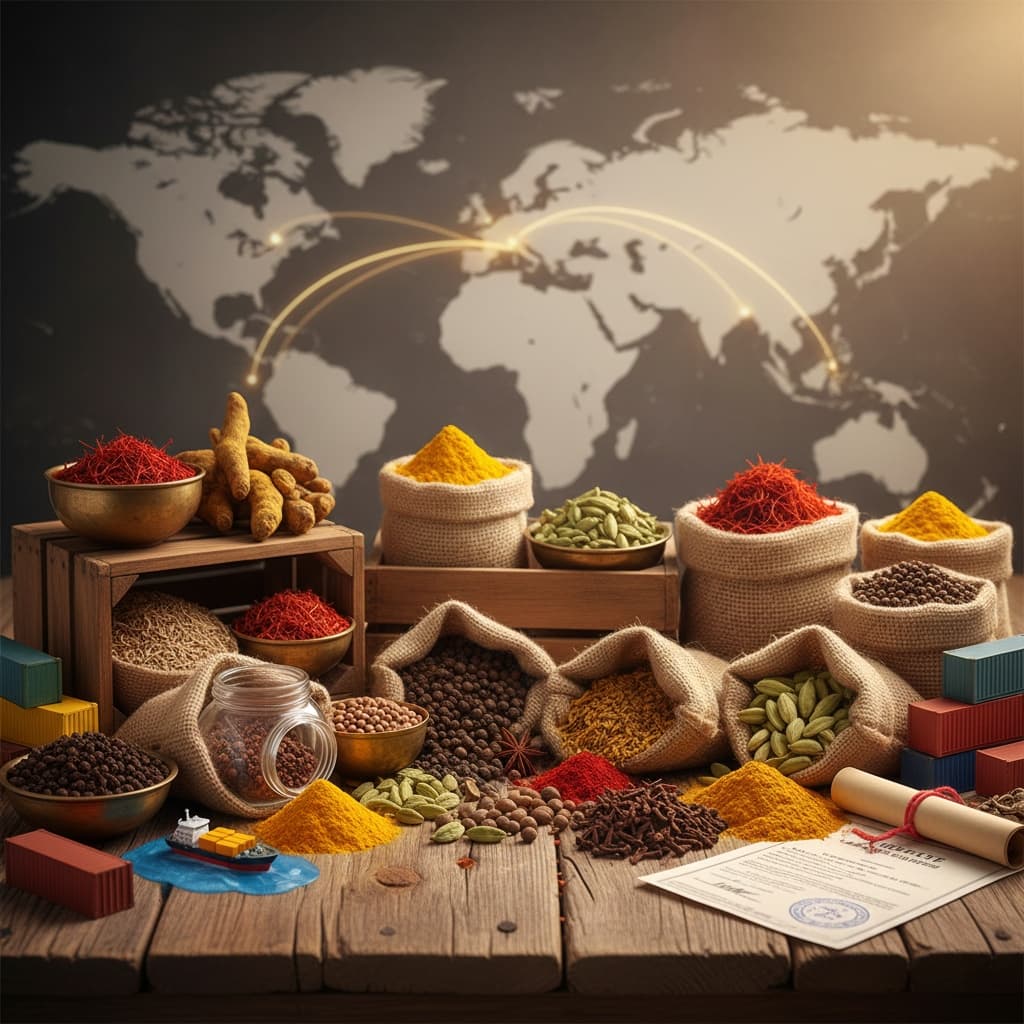
Your step-by-step guide to importing Indian spices, covering supplier selection, documentation, regulations, shipping, and customs clearance to build a successful spice import business.
How to Import Spices from India
India, renowned as the "Land of Spices," has long been a global leader in the production and export of a wide variety of high-quality spices. For businesses looking to import spices from India, the country offers unparalleled access to spices that are highly valued worldwide for their flavor, fragrance, and medicinal properties. Whether you’re in retail, wholesale, or the food industry, importing authentic Indian spices can enhance your offerings and cater to an expanding global market.
This complete guide will walk you through the process of importing spices from India, providing detailed insights into supplier selection, regulatory requirements, shipping logistics, and best practices to ensure a smooth and profitable spice importation process.
Why Import Spices from India?
India is not only one of the largest producers of spices but also a leading exporter. The diverse range of spices grown in India includes some of the most in-demand ingredients globally, making it an essential source for businesses seeking high-quality, authentic spices. From turmeric and cardamom to cumin and saffron, India’s spice market offers unparalleled variety. Key reasons to import spices from India include:
- •High-quality and authentic spices: Indian spices are renowned for their exceptional quality and rich flavor profiles.
- •Large variety: India offers an extensive range of spices, including both common and rare varieties like black pepper, cloves, coriander, and ginger.
- •Competitive pricing: Pricing of Indian spices is often more affordable compared to other countries, providing an edge in both retail and wholesale markets.
- •Global demand: With increasing interest in ethnic cuisines and health-focused products, Indian spices continue to see a surge in global demand, especially in health supplements, gourmet food, and natural wellness markets.
Key Steps to Import Spices from India
Importing spices from India requires attention to detail, from selecting the right supplier to ensuring compliance with international trade regulations. Below are the crucial steps to ensure a successful importation process:
Step 1: Select a Reliable Supplier
One of the most crucial elements in importing spices from India is choosing a reliable supplier. Bayharbor Exports is one such reputable supplier that provides a wide range of Indian spices to businesses across the globe. As a certified exporter, Bayharbor Exports ensures that their spices meet international standards of quality and hygiene, making them a trusted source for businesses looking to source authentic Indian spices.
- •How to select the right supplier:
Conduct Online Research: Use trusted online platforms, such as trade directories and B2B marketplaces like IndiaMart or TradeIndia, and go4worldbusiness, to find verified suppliers.
Check Certifications: Ensure that the supplier is certified by relevant authorities such as the Spices Board of India. Certifications such as ISO, HACCP, or Fair Trade can add assurance of quality.
Verify Reputation: Research supplier reviews and testimonials. Direct communication with previous customers or business partners can provide invaluable insight.
Visit Trade Fairs: Participating in trade fairs like the Spices & Seasonings Expo can help you meet suppliers directly, inspect their products, and build personal relationships.
Step 2: Understand Import Regulations and Documentation
Each country has specific regulations that govern the importation of food products, including spices. Understanding these regulations and ensuring that your shipment meets both Indian export and your country’s import requirements is vital.
Common documentation required to import spices from India:
| Document | Purpose |
|---|---|
| Import License | Required by certain countries for food products |
| Certificate of Origin | Confirms spices are sourced from India |
| Phytosanitary Certificate | Ensures spices are free from pests and diseases |
| Commercial Invoice | Provides detailed information about the spices |
| Packing List | Describes contents and packaging |
| Bill of Lading | Confirms receipt of goods for shipping |
These documents will help ensure smooth customs clearance when the spices arrive in your country. It’s crucial that your supplier provides accurate and up-to-date documentation to avoid delays or legal issues.
Step 3: Plan Shipping and Logistics
After securing your supplier and gathering the necessary documentation, the next critical step is arranging shipping. The most common shipping methods for importing spices from India are air freight and sea freight.
| Shipping Method | Pros | Cons |
|---|---|---|
| Air Freight | Faster, suitable for urgent delivery | More expensive, best for smaller shipments |
| Sea Freight | Cost-effective for bulk shipments | Slower, usually takes weeks |
When shipping spices, ensure that they are packaged securely to avoid contamination or damage during transit. Spices are delicate and may require special packaging, especially those that are powder-based like turmeric or coriander.
Step 4: Customs Clearance
Upon arrival in your country, your shipment will be subject to customs clearance. This is an essential part of the importation process. Customs will inspect your shipment to ensure that it complies with the country's food safety and agricultural regulations.
Here’s what to consider during the customs clearance process:
- •Customs Duties and Taxes: Be prepared to pay customs duties and taxes based on the value and type of spices being imported.
- •Inspection: Some countries may require additional inspections of food products for quality assurance. This could involve sample testing for contaminants or pests.
- •Customs Broker: If you’re unfamiliar with customs procedures, working with a customs broker can help ensure a smoother process.
Ensure that you have all required documentation and that your shipment meets the health and safety standards for food imports in your country.
Step 5: Distribute and Sell the Spices
Once the spices have cleared customs, they are ready for distribution. Depending on your business model, you may sell the spices through:
- •Retail: Directly to consumers via physical stores or online platforms.
- •Wholesale: Selling large quantities to restaurants, food processors, or other businesses.
- •Private Labeling: Creating your own branded spices for resale.
It’s important to have strong distribution channels in place to ensure your spices reach the market quickly and efficiently.
Popular Indian Spices to Import
India produces a broad range of spices, each with unique uses and demand across different markets. Here’s a look at some of the most popular Indian spices that are commonly imported worldwide:
| Spice | Common Uses | Features |
|---|---|---|
| Turmeric | Curries, soups, teas, health products | Vibrant color, anti-inflammatory properties |
| Cardamom | Desserts, teas, baking | Aromatic and sweet |
| Cumin | Curries, rice dishes | Earthy, warm flavor |
| Pepper | Seasoning, sauces | Sharp and pungent |
| Saffron | Rice dishes, desserts, beverages | Aromatic, enhances color and flavor |
| Cloves | Stews, sauces, baked goods | Strong flavor, slightly sweet |
These spices offer diverse uses across multiple industries, from culinary to health and wellness.
Conclusion
Importing spices from India is an exciting and profitable business opportunity, and with the right partner like Bayharbor Exports, the process can be straightforward. By choosing a reliable supplier, understanding the regulations, planning shipping logistics, and ensuring smooth customs clearance, you can build a successful spice import business.
Whether you are looking to import spices wholesale from India or sell them online, India offers a vast range of spices that can meet the growing demand for authentic, high-quality products. Bayharbor Exports provides a seamless experience from sourcing to delivery, ensuring that your spices arrive in perfect condition, ready to meet the expectations of your customers.