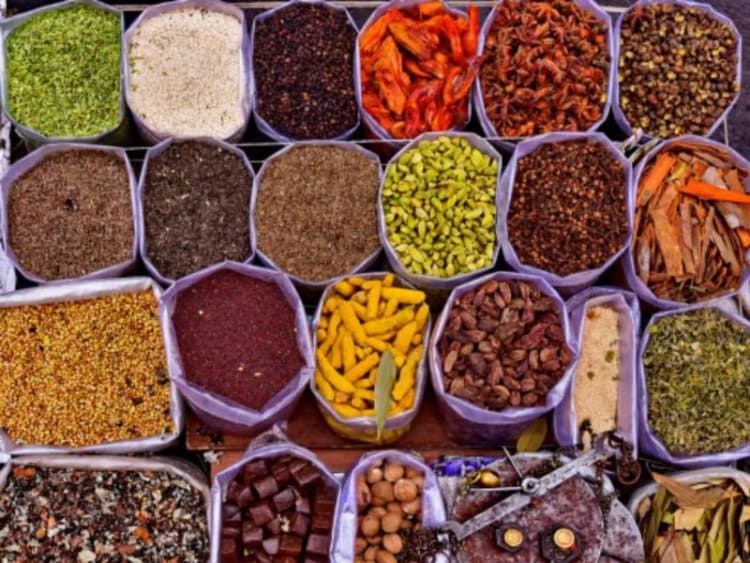
Spices are no longer purchased solely for flavor and aroma. Turmeric, black pepper, ginger, and cumin are increasingly being sourced as functional ingredients for nutraceutical, pharmaceutical, and wellness applications, creating new opportunities for importers and suppliers.
From the Spice Rack to the Supplement Aisle: How Functional Ingredients Are Reshaping Spice Import Demand
Something fundamental has changed about why global buyers place spice orders. The purchase of turmeric, black pepper, ginger, and cumin used to be driven almost entirely by culinary applications - flavor, color, and aroma in food products. In 2026, a growing share of global spice demand is driven by something different: documented health functionality. Turmeric is purchased for its curcumin content and anti-inflammatory properties. Black pepper is purchased for piperine, which enhances curcumin bioavailability. Ginger is purchased for gingerols, which drive anti-nausea pharmaceutical applications. Cumin is purchased for its volatile oil compounds, which support digestive health formulations.
The functional spice ingredients market has created an entirely new buyer category for Indian spices - one that operates on pharmaceutical-grade specification requirements, pays materially higher prices for certified quality, and is growing at rates that significantly outpace the conventional culinary spice market. The spice and herb extracts market - where these functional applications are most concentrated - was valued at $14.06 billion in 2026 and is projected to reach $19.19 billion by 2031, growing at 6.42% CAGR.
For importers, this shift creates both an opportunity and a challenge. The opportunity is access to higher-margin market segments with more durable demand and less price sensitivity than commodity culinary spice supply. The challenge is that these segments require a fundamentally different approach to specification, supplier qualification, and documentation.
The Four Spices at the Center of the Functional Revolution
Turmeric and Curcumin
Turmeric is the defining story of the nutraceutical spice demand surge. Curcumin - turmeric's primary bioactive compound - has FDA GRAS status in the US, is approved as a natural colorant (E100) in the EU, and has been validated across thousands of peer-reviewed studies for anti-inflammatory, antioxidant, and immune-modulating properties. US curcumin supplement sales have reached $151.7 million. Global turmeric consumption has increased by 10% annually over the past decade, driven by functional applications.
The key distinction between commodity turmeric and functional-grade turmeric is curcumin percentage. Standard culinary turmeric contains 2 to 3% curcumin - adequate for flavor and color in food applications. Functional food applications require 3 to 5%. Nutraceutical and dietary supplement applications require 5 to 7%, and pharmaceutical buyers typically require this range validated by third-party laboratory testing on every batch. Standardized 95% curcuminoid extract - produced from high-curcumin varieties through extraction - is a distinct product category where India's Lakadong and Alleppey varieties provide the raw material.
The bioavailability limitation is important for importers to understand because it directly drives demand for a second spice: black pepper. Curcumin is poorly absorbed without an enhancer. Piperine from black pepper increases curcumin bioavailability by up to 2,000%. Virtually every turmeric supplement on the market pairs curcumin with piperine - meaning organic turmeric demand and organic black pepper demand in the supplement sector are structurally linked. An importer who can supply both from certified organic Indian origins is offering a supply chain solution, not just a commodity.
Black Pepper and Piperine
Beyond its role as a curcumin bioavailability enhancer, piperine - the primary bioactive compound in black pepper - has applications in its own right across pharmaceutical and nutraceutical formulations. Piperine-rich pepper oleoresins are used in digestive health formulations, thermogenic supplements, and as a pharmaceutical absorption enhancer in drug delivery systems. The spice extract market is growing at 7.5% CAGR through 2033, with supercritical CO2 turmeric extracts and piperine-rich pepper oleoresins among the most technically sophisticated and highest-value products in the market.
For pepper buyers sourcing for supplement and pharmaceutical applications, piperine content minimum is the specification parameter that matters most - and it varies significantly by variety and growing conditions. Indian Malabar black pepper from Kerala's premium growing regions consistently delivers higher piperine content than commodity Vietnam pepper grades, which is why it commands a premium despite its higher price.
Ginger and Gingerols
Ginger occupies a unique position in the spice wellness market because its functional applications span from mass-market functional beverages all the way to pharmaceutical anti-nausea drug formulations. Gingerols - the primary bioactive compounds in fresh ginger, which convert to shogaols when ginger is dried - drive clinical effects that have been validated in peer-reviewed research for nausea, digestive health, and anti-inflammatory applications.
The global functional beverages market has made ginger one of the most dynamic demand categories in spice trade. Ginger shots, ginger-based kombuchas, ginger wellness teas, and ginger-infused hydration products are mainstream product categories in North American and European retail. The ready-to-drink ginger shot format has moved from health food stores into mainstream supermarkets. Every unit of this demand requires a reliable ginger supply chain with standardized gingerol content, microbiological testing, and increasingly, organic certification.
Cumin and Digestive Health
Cumin's role in Ayurvedic wellness exports and modern functional food applications is growing rapidly. Traditional Ayurvedic digestive blends combining cumin, fennel, and coriander are finding their way into clinical nutrition products and digestive health supplements. These three spices have been combined in traditional practice for centuries - their functional applications are now being validated by modern nutritional research and incorporated into products sold at functional food premium price points.
The immunity blend format - pairing turmeric with black pepper and ginger to boost curcumin absorption, or building digestive blends on cumin, fennel, and coriander - is one of the fastest-growing product categories in the B2B functional spice segment. The global blended spices market is growing at 8% CAGR in the B2B segment, faster than the overall market, driven precisely by these value-added functional formulation applications.
The Specification Requirements of Functional Buyers
The functional ingredient spice specifications that nutraceutical, pharmaceutical, and functional food buyers require are materially more rigorous than culinary spice specifications, and understanding them is prerequisite to accessing these market segments.
Bioactive content minimum. Every functional application has a specific bioactive content minimum. Turmeric: curcumin minimum 5%, often 6 to 7% for supplement applications. Black pepper: piperine minimum 4 to 5% for standard supplement grade, higher for pharmaceutical. Ginger: gingerol content specified for fresh-equivalent applications. These specifications must be verified by third-party laboratory testing - not assumed from variety selection alone.
Pesticide residue standards. Nutraceutical and pharmaceutical buyers typically require pesticide residue testing at near-zero levels - often below 0.01ppm across 400+ compounds. This exceeds even EU MRL requirements and is the standard set by major US natural food retailers like Whole Foods for their organic supplement and functional food suppliers. Sourcing from FSSAI-certified, NPOP-certified exporters with documented pesticide management at the farm level is the only reliable way to meet these specifications.
Heavy metals verification. California Proposition 65 sets lead limits of 0.5ppm for turmeric specifically - a standard that requires active compliance management given turmeric's natural tendency to absorb soil metals. Cadmium limits apply across most functional food and supplement applications in EU and US markets. Lot-level heavy metals testing is not optional for functional market access.
Standardized extract vs whole spice. For the highest-value pharmaceutical and nutraceutical applications, importers may need to source standardized extracts - 95% curcuminoids, 6-gingerol standardized ginger extract, or BioPerine-grade piperine - rather than bulk whole or ground spices. These are distinct products from a sourcing and documentation perspective, requiring specialized extraction facilities and extract-specific certification.
The Pricing Premium | Why This Segment Matters
The commercial case for accessing functional spice market segments is straightforward: margins are materially higher and demand is more durable.
Commodity culinary cumin sells at $2.50 to $3.50 per kilogram FOB India. Functional-grade cumin sourced for digestive health applications with verified volatile oil content and organic certification sells at substantially higher prices per kilogram.
Organic Malabar black pepper for supplement applications commands $4.50 to $6.00 per kilogram versus $3.50 to $4.00 for conventional culinary grade - a 35 to 45% premium. High-curcumin Lakadong turmeric for pharmaceutical applications commands multiples of standard Erode/Nizamabad price.
More importantly, functional segment buyers compete on differentiation rather than price. A nutraceutical brand whose finished product relies on your certified high-curcumin turmeric supply is not going to switch suppliers to save $0.20 per kilogram - they need quality consistency and documentation reliability, and they will pay for it. This is fundamentally different from the commodity culinary market, where buyer switching costs are near zero and price is the primary decision variable.
The B2B functional spice segment is growing at 8% CAGR. The spice extract market is growing at 7.5% CAGR. These growth rates will continue to outpace commodity culinary spice growth for the next decade. Importers who build functional-grade supply chain capabilities now are positioning ahead of a demand curve that is still in its early stages.
What Importers Need to Access These Markets
Documentation first. Functional buyers are documentation-intensive. Before your first shipment to a supplement manufacturer or functional food company, expect to provide your Indian supplier's full credential stack: FSSAI certification, APEDA registration, NPOP organic certification if applicable, BRC or IFS food safety certification, current certificates of analysis specifying bioactive content and pesticide/heavy metals testing, and - for pharmaceutical buyers - manufacturing quality agreement documentation.
Specification-driven sourcing. Don't order "turmeric" for a supplement buyer. Specify curcumin minimum 5%, moisture maximum 10%, pesticide residues below 0.01ppm across 400+ compounds, lead below 0.5ppm (Prop 65 standard), and Salmonella negative. Provide these specifications to your Indian supplier before agreeing to pricing - the specification may require a specific growing region, variety, or processing standard that affects cost.
Pilot lot testing. Before committing to volume contracts for functional applications, test a pilot lot against your full specification. Independent laboratory verification of the first lot's bioactive content, pesticide residues, and heavy metals is essential - both to confirm the supplier's capability and to establish the quality baseline for ongoing supply agreement monitoring.
At Bayharbor Exports, we supply functional-grade Indian spices for nutraceutical, supplement, and functional food applications - high-curcumin turmeric from Lakadong and Alleppey, piperine-specified Kerala Malabar black pepper, gingerol-rich Indian ginger, and volatile-oil-specified Unjha cumin - with third-party laboratory certificates of analysis, NPOP organic certification, and complete documentation infrastructure for regulated market supply. Our complete buyer's guide to turmeric covers the curcumin specification landscape in detail.