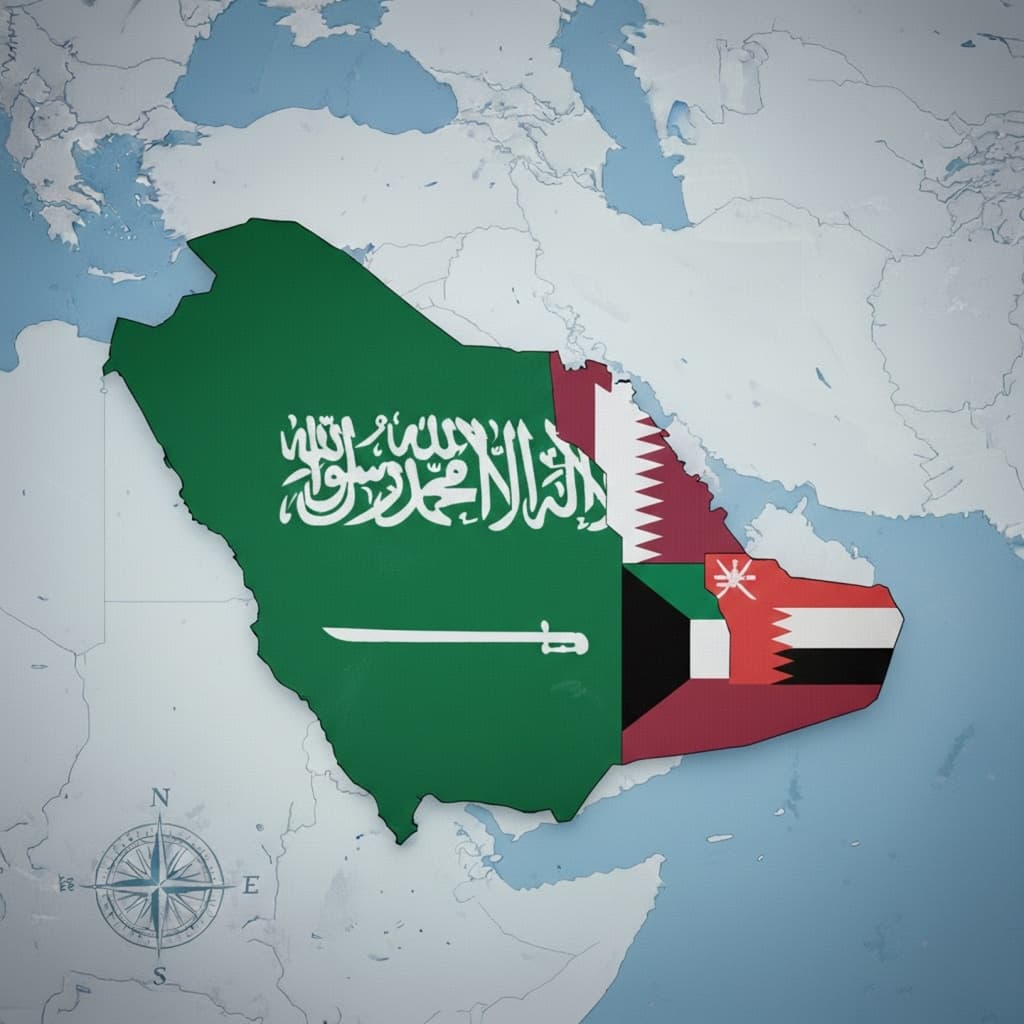
Discover how Indian spices, premium Basmati rice, and quality lentils meet GCC market demands. Learn about certifications, logistics, and why Bayharbor Exports is your trusted partner for authentic Indian products in UAE, Saudi Arabia, and across the Gulf region.
Why GCC Countries Choose Indian Agricultural Products
The Gulf Cooperation Council (GCC) countries-UAE, Saudi Arabia, Kuwait, Qatar, Oman, and Bahrain-import 80-90% of their food requirements. With over 57 million residents and a thriving expatriate community, the demand for authentic Indian spices, basmati rice, and lentils continues to grow exponentially.
India remains the world's largest spice exporter and a leading supplier of Premium Basmati Rice and pulses. For importers, distributors, and retail chains across the Middle East, partnering with a reliable Indian exporter means consistent quality, competitive pricing, and adherence to international food safety standards.
Understanding the GCC Food Import Market
Key Market Drivers
Large Expatriate Population: Over 30 million South Asian expatriates in the GCC create consistent demand for authentic spices, rice, and lentils.
Booming Food Service Sector: Hotels, restaurants, and catering companies across Dubai, Riyadh, and Doha require bulk supplies of quality ingredients.
Retail Expansion: Hypermarkets like Carrefour, Lulu, and specialty ethnic stores continuously seek reliable suppliers.
Seasonal Demand Spikes: Ramadan, Eid, Diwali, and wedding seasons create 30-50% surges in demand, requiring suppliers who can scale quickly.
Premium Indian Spices for Middle East Markets
Why Indian Spices Dominate
India produces over 70% of the world's spices, exporting approximately 1.5 million metric tons annually. The unique climate and traditional farming practices create spices with superior aroma, color, and flavor intensity that GCC buyers demand.
Top Spices in High Demand
Turmeric: Essential for curry preparations and traditional medicines, valued for anti-inflammatory properties across Gulf households and restaurants.
Cumin Seeds: Critical ingredient for Middle Eastern spice blends like baharat and za'atar, Indian cumin offers exceptional oil content and pungency.
Black Pepper: Kerala black pepper commands premium prices worldwide for its intense flavor and essential oil content.
Cardamom: Indispensable for Arabic coffee (gahwa), desserts, and traditional Gulf cuisine. Green cardamom from India is the gold standard.
Coriander and Red Chili: Used extensively in Arabic, Iranian, and South Asian cuisines throughout the region, from mild Kashmiri varieties to hot guntur chilies.
Quality Certifications for GCC Markets
Successful spice exporters maintain:
- •FSSAI (Food Safety and Standards Authority of India) certification
- •Spices Board of India quality standards
- •Halal certification for Muslim-majority markets
- •GSO (GCC Standardization Organization) compliance
- •Phytosanitary certificates and pesticide residue testing
Basmati Rice: The Premium Choice
Why Basmati Dominates GCC Preferences
Authentic Indian basmati rice from Punjab and Haryana offers distinctive characteristics that justify premium positioning in Gulf markets:
- •Extra-long grains (7-8mm) that elongate further upon cooking
- •Signature aromatic compounds creating unmistakable fragrance
- •Non-sticky texture ideal for biryanis, pilafs, and kabsa
- •Aging process that enhances flavor and cooking properties
Popular Varieties for Export
1121 Basmati Rice: The longest grain variety (8.3-8.4mm), preferred by five-star hotels and premium restaurants across Dubai, Riyadh, and Doha.
Pusa Basmati: Traditional variety offering excellent aroma and taste at competitive prices, ideal for retail markets and everyday consumption.
Sharbati Basmati: Shorter grain but superior taste, perfect for household cooking and value-conscious consumers.
Smart Packaging for GCC Markets
- •5kg, 10kg, and 20kg bags for retail consumers
- •25kg and 40kg sacks for wholesalers and food service
- •Premium packaging with bilingual labels (English and Arabic)
- •Moisture-proof materials suited for Gulf climate conditions
Broken Rice: The Cost-Effective Solution
Broken rice consists of grains broken during milling. While less visually appealing than whole grain rice, it offers significant value across multiple applications:
Food Processing: Used in rice flour, breakfast cereals, baby food, and snack manufacturing throughout the GCC.
Bulk Catering: Economical option for labor camps, institutional feeding programs, and large-scale food service operations.
Animal Feed: High-quality nutrition for poultry and livestock farms across Gulf countries.
Quality Grades: Available in Grade A (5-10% broken), Grade B (10-25% broken), and Grade C (25%+ broken) to meet diverse requirements.
Lentils and Pulses: Essential Protein Sources
Meeting Nutritional Demands
With growing health consciousness and substantial vegetarian populations in the GCC, lentils serve as essential protein sources. The region imports significant quantities to meet consumer and food service demand.
Key Varieties
Red Lentils (Masoor Dal): Quick-cooking variety popular for soups, stews, and traditional preparations across expatriate communities.
Yellow Lentils (Toor Dal): Staple protein source for South Asian cooking with consistently high demand in GCC retail and wholesale markets.
Split Chickpeas (Chana Dal): Used in cooking and as roasted snacks, popular across all demographic segments.
Green Lentils: Growing demand from health-focused consumers and specialty organic stores throughout the region.
Navigating GCC Import Requirements
Essential Documentation
- •Certificate of Origin: Issued by Indian export promotion councils
- •Phytosanitary Certificate: Mandatory for agricultural products, confirming pest-free status
- •Health Certificate: From FSSAI or designated authorities
- •Halal Certificate: Essential for Saudi Arabia and preferred across all GCC markets
- •Commercial Invoice, Packing List, and Bill of Lading: Standard shipping documentation
Country-Specific Considerations
UAE: Business-friendly with streamlined customs through Jebel Ali Port (Dubai) and Khalifa Port (Abu Dhabi).
Saudi Arabia: SFDA registration required, strict halal compliance, main entry through King Abdul Aziz Port (Dammam).
Kuwait: KFSD approval needed, preference for established supplier relationships.
Qatar, Oman, Bahrain: Growing markets with less bureaucratic processes, ideal for exporters establishing Gulf presence.
Logistics and Supply Chain
Transit Times
Sea Freight: 7-14 days from Indian ports (Mumbai JNPT, Mundra, Chennai) to GCC destinations—most cost-effective for bulk shipments.
Air Freight: 2-3 days for urgent or high-value shipments, suitable for premium spices during peak seasons.
Peak Demand Planning
- •Ramadan Season: Order 60-90 days in advance to ensure timely delivery
- •Wedding Season: October-February sees increased bulk purchases
- •Summer Months: Stock in advance for peak consumption period (May-September)
Why Choose Bayharbor Exports
Our Competitive Advantages
Quality Assurance: Multi-stage quality control from sourcing to shipping, with laboratory testing and detailed quality certificates.
Complete Certifications: FSSAI, Spices Board, Halal, and phytosanitary certifications maintained for seamless customs clearance.
Reliable Supply: Direct relationships with farmers and mills ensure consistent availability year-round.
Competitive Pricing: Bulk procurement and efficient logistics deliver exceptional value to GCC importers.
Flexible Solutions: Custom packaging, private labeling, mixed containers, and tailored product specifications.
GCC Market Expertise: Deep understanding of regulatory requirements, consumer preferences, and cultural nuances across Gulf countries.
Our Product Range
Premium Basmati Rice: 1121, Pusa, and Sharbati varieties in retail and bulk packaging
Broken Rice: Multiple grades for food processing, catering, and animal feed
Whole Spices: Turmeric, cumin, coriander, black pepper, cardamom, red chili
Ground Spices: Single-ingredient powders and custom blends
Lentils and Pulses: Red lentils, yellow lentils, split chickpeas, and specialty varieties
Current Market Trends
- •Organic Certification: Premium segment willing to pay 20-30% more for certified organic products
- •Sustainable Packaging: Eco-friendly materials and ethical sourcing gaining importance
- •E-commerce Growth: Direct-to-consumer shipments through online grocery platforms like Noon, Talabat, and Instashop
- •Traceability: QR codes and blockchain tracking for quality assurance and consumer transparency
Get Started Today
Whether you're a wholesaler in Dubai, a retail chain in Riyadh, a distributor in Kuwait, or a food service provider in Doha, Bayharbor Exports offers the quality, reliability, and expertise you need to succeed in the competitive GCC market.
Next Steps
- •Request a Sample: Evaluate our quality with trial shipments before committing to bulk orders
- •Get a Custom Quote: Share your requirements, quantities, and delivery timelines for competitive pricing
- •Discuss Private Labeling: Explore custom packaging and brand-specific solutions
- •Annual Contracts: Secure preferred pricing and priority allocation during peak seasons
Ready to establish a reliable supply chain for premium Indian agricultural products?
Contact Bayharbor Exports today to discuss your requirements and discover how we can become your trusted partner for spices, rice, and lentils in the GCC market.
Bayharbor Exports - Connecting India's Agricultural Excellence with Gulf Markets